How Floral and Flower Holds Up in Real Embroidery Projects
I have been testing and reviewing embroidery-ready artwork for years, and I can usually tell within a few seconds whether a design will translate well to thread and fabric. Some illustrations look fantastic on screen but become a headache the moment you try to stitch them out. Others surprise you with how naturally they settle into a finished piece. Floral and Flower sits somewhere thoughtful in between, and I want to walk through exactly what I noticed when I examined it for actual embroidery use.
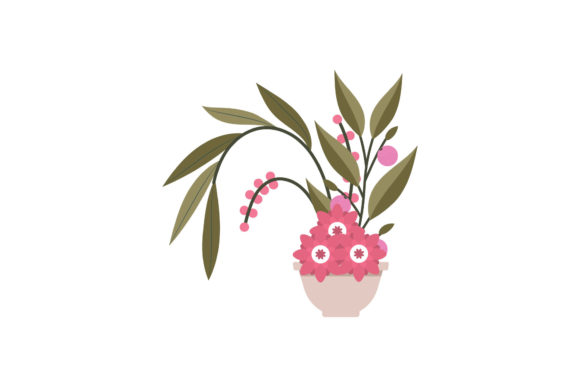
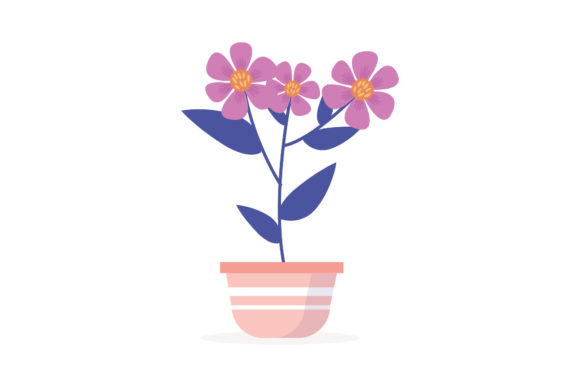
The first thing that caught my attention was the overall shape language. This is not an overly busy bouquet crammed with tiny competing elements, nor is it so sparse that it feels unfinished. The floral composition has a gentle rhythm to it, the kind that reads clearly even when you squint or step back a few feet. That matters enormously in embroidery, because a stitched product is rarely viewed at the same intimate distance as a screen. A customer walking past a craft fair table or scrolling an Etsy listing thumbnail needs to recognize the design instantly. Floral and Flower has that clarity built into its structure.
The mood it creates is soft, organic, and approachable. It leans toward a timeless botanical feel rather than something aggressively trendy. After years of watching trends cycle through handmade markets, I can say that floral designs with this kind of balanced personality tend to outlast seasonal spikes. They work for spring collections, sure, but they do not feel out of place on a winter apron or a neutral nursery item either. Versatility like that is something I always look for before committing to a design for my own small-batch projects or client work.
What Kind of Embroidery Project This Design Naturally Belongs To
As I studied the layout and detail level of Floral and Flower, I kept picturing it on a natural canvas tote bag. That was my immediate gut reaction. Something about the proportions and the way the floral elements flow suggests it would sit beautifully centered on a medium to large flat surface. A tote bag gives you that nice stable fabric plane, and customers tend to respond warmly to botanical embroidery on everyday carriers. It feels intentional, like something picked from a small boutique rather than mass produced.
Beyond totes, I could see this working confidently on the back of a denim jacket, the front panel of a relaxed-fit sweatshirt, or the center of a linen pillow cover. The design has enough presence to hold its own without needing supplementary text or bordering elements, though it would also pair nicely with a subtle monogram or a short name if someone wanted to personalize it further. For baby items, I would consider scaling it down slightly and placing it on a soft cotton blanket or a nursery pillow. The organic floral shapes feel gentle enough for that market, and parents gravitate toward designs that feel handmade and natural rather than stiff or cartoonish.
I also thought about aprons. A kitchen apron with a single well-placed floral embroidery across the chest or along the hemline has been a steady seller in my experience. Home bakers and cooking enthusiasts love the combination of practical function and pretty detailing. Floral and Flower could easily become a go-to for that category.
For craft fair sellers and Etsy shop owners, this design opens up a broad product range. You could build an entire mini collection around it, tote bags, tea towels, zip pouches, baby onesies, quilt blocks, and simple framed hoop art. Cohesive collections tend to perform better at in-person markets because they create a recognizable visual identity across a table. Using one strong floral design as a unifying thread, literally and figuratively, is a smart move that I have seen work many times.
Stitching Reality Check for Different Fabric Types
Now let me get into the practical stitching side, because this is where many beautiful illustrations stumble. A design that looks flawless in vector format can become a frustration when you load it into embroidery software and start accounting for fabric behavior, stabilizer choices, and thread tension. With Floral and Flower, the canvas size of 1920 pixels by 1280 pixels gives a generous working resolution, which means the base artwork has enough clarity for a clean digitizing process. That foundation matters more than many beginners realize.
On medium-weight cotton or cotton-linen blends, I would expect this design to stitch out with crisp definition. The floral forms are distinct enough that satin stitch borders and fill stitch interiors should read clearly without blurring together. That said, I would absolutely recommend testing on the exact fabric you plan to sell. A cotton canvas tote behaves differently than a soft jersey sweatshirt, and stitch density may need adjustment between the two.
For stretchy fabrics and thin knits, caution is warranted. Floral designs with flowing curves can sometimes pucker if the stabilizer is too light or the stitch density is not dialed in properly. I have learned this the hard way with a project that looked pristine on woven fabric but pulled awkwardly on a baby bodysuit. Before stitching Floral and Flower onto anything with stretch, I would run a test on scrap fabric with a medium cutaway stabilizer and possibly a water-soluble topper if the fabric has any nap or texture. That extra step saves returns and disappointed customers.
Dark fabrics deserve a special mention. A floral design with light or pastel thread colors can look stunning on a deep charcoal or navy background, creating a contrast that feels elegant and boutique-quality. However, dark fabrics also reveal every tiny gap or misalignment. If you plan to offer this design on black sweatshirts or dark denim, make sure your stitch coverage is full enough that the fabric does not peek through in an unintended way. Testing on both light and dark backgrounds is something I do for every new design before listing it publicly.
Curved surfaces like baseball caps present a different challenge. The floral layout may need repositioning or slight resizing to fit within the front panel of a cap without the edges distorting. Cap embroidery is a specific skill, and not every design adapts smoothly. If caps are part of your product lineup, consider whether the file you receive is digitized with cap-friendly sequencing and whether the floral elements will remain proportionate in the available hoop space.
Small Details and Long-Term Durability
One question I always ask when reviewing a floral design is how it will hold up after repeated washing. Customers who buy embroidered kitchen towels or baby items expect the stitching to survive regular laundering without fraying or losing definition. Floral and Flower does not appear to rely on extremely delicate connecting threads or fragile standalone elements, which is a positive sign. Designs that depend on whisper-thin running stitches for key visual details tend to degrade faster over time. From what I can observe in the vector composition, the floral structure should maintain its integrity through wash cycles if digitized with proper underlay and appropriate stitch types.
I would still advise testing a finished sample through at least five wash and dry cycles before selling products made with this design. That kind of durability check builds confidence and gives you honest information to share with customers who ask about care instructions. It also reveals whether any thread colors are prone to bleeding or fading, which depends more on thread brand than design, but is worth knowing before a customer discovers it on their own.
Using Floral and Flower Across Different Product Formats
Because the artwork comes in multiple file formats including AI, EPS, SVG, JPG, and PNG, it serves a broader purpose than just embroidery digitizing. This is where the Illustrations and Graphics categories make sense in a practical workflow. I often use the PNG or JPG versions to create printable mockups for my shop listings before I even stitch the first sample. A clean high-resolution image lets me overlay the design onto product photos for preorder listings, social media previews, and customer consultations.
The SVG and AI files are useful if you plan to pair the design with cut files for hybrid projects, combining embroidery with heat transfer vinyl accents, or if you offer matching products across different production methods. For instance, a customer might order an embroidered sweatshirt while another prefers a printed tote with the same floral artwork. Having multiple format options means you can maintain visual consistency across an entire product line without re-purchasing or recreating artwork.
For digital product sellers, these file formats enable creating design assets, printable mockups, and embroidery-ready companions that serve different customer segments. A single cohesive floral motif can support physical products, digital downloads, and branding materials simultaneously, which is an efficient way to stretch the value of one design purchase.
Customer Perception and Gift Appeal
I think a lot about how a finished embroidered piece will be received by the person unwrapping it. Floral designs cross age groups and occasions more fluidly than many other motifs. A grandmother receiving an embroidered pillow cover will appreciate it as much as a friend getting a personalized tote for her birthday. Floral and Flower has a universal warmth that does not pigeonhole it into one demographic or one season.
This matters when you are calculating inventory for a craft fair or planning which samples to photograph for an online shop. A design with broad appeal means fewer unsold pieces and more confident marketing. You can promote it for Mother's Day, bridal showers, baby gifts, housewarming presents, or simply as an everyday staple. The design does not scream a specific holiday, so it stays relevant year-round.
From a branding perspective, using a consistent floral design across your products helps build recognition. Returning customers start to associate that particular bloom arrangement with your shop. Over time, that familiarity translates into trust and repeat purchases. I have watched small shops build loyal followings around a signature floral motif, and Floral and Flower has the quiet distinctiveness that could anchor that kind of brand identity.
Practical Designer Notes Before You Stitch
Here is the checklist I run through before committing any embroidery design to a product line, and I recommend the same for anyone evaluating Floral and Flower. First, always test on scrap fabric before stitching on your final product. Even a design that looks perfect on screen can behave unexpectedly on a specific fabric and stabilizer combination. Second, check thread color contrast carefully. What reads as a soft blush pink on a white background may disappear on a cream fabric or look harsh on bright white. Test your color palette under natural and indoor lighting.
Third, confirm your hoop size can accommodate the design at the dimensions you want. If the floral arrangement needs to be scaled down significantly, review whether the smaller version retains enough detail to look intentional rather than cramped. Some designs lose their charm below a certain size threshold, and only a test stitch will tell you where that threshold lies.
Fourth, review any licensing terms provided with the artwork before selling finished products or digital derivatives. Even when a design is marketed as easy to use, commercial rights can vary. Make sure your intended use, whether it is selling embroidered shirts at a weekend market or offering the digitized file in a craft bundle, aligns with the permissions granted. If licensing information is not clearly stated, reach out and confirm before investing production time.
Fifth, consider how the design looks in black and white or single-color variations. Some customers request monochromatic embroidery, and a floral design that depends heavily on color variation for its definition may not translate well. Convert the image to grayscale temporarily and see if the composition still holds together. That simple test has saved me from awkward conversations with clients more than once.
Finally, pay attention to stabilizer choice. A floral design with areas of dense fill stitch will benefit from a sturdy stabilizer that prevents shifting during stitching. For apparel, a medium cutaway stabilizer is often a safe starting point. For home decor items like pillow covers or tea towels, a tear-away or wash-away stabilizer might be more appropriate depending on how visible the backing will be on the finished product.
I approach every new embroidery design as a tool that needs to prove itself in the real world. Screens are forgiving. Thread, fabric, washing machines, and customer expectations are not. Floral and Flower brings a lot of strengths to the table in terms of composition clarity, visual warmth, and format flexibility. The work of making it sing on a finished product still falls to the stitcher, as it always does. Test thoughtfully, listen to what the fabric tells you, and give this design the careful setup it deserves before you offer it to the people who will wear it, carry it, or gift it to someone they love.