Floral Flowers Illustration: A Designer’s Real-World Embroidery Review
As an embroidery designer who spends more time staring at stitch charts and fabric swatches than sleeping, I approach every new asset with a healthy dose of skepticism. The digital marketplace is flooded with "pretty" graphics that look wonderful on a screen but fall apart under the needle. That is exactly why I decided to put Floral Flowers Illustration through its paces before recommending it for your next embroidery project. This isn't just about whether the file opens correctly; it is about how this specific design translates from a vector graphic into a tangible, high-quality handmade product.
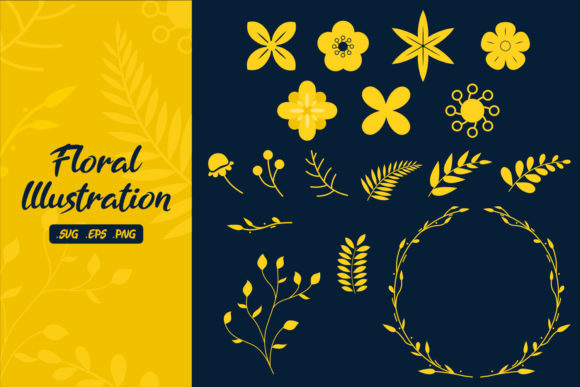
I received this asset categorized under Illustrations and Graphics, described as a vector design suitable for logos, t-shirts, and animations. But my focus was strictly on its viability as a machine embroidery design. Can it hold up in a hoop? Does it scream quality when stitched out? Let’s dive into the practical realities of using Floral Flowers Illustration in real-world scenarios.
The First Impression: Mood and Visual Personality
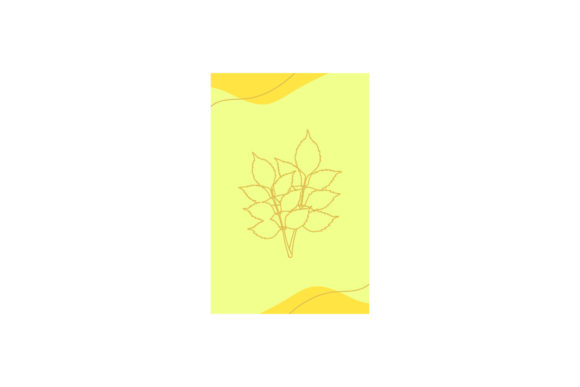
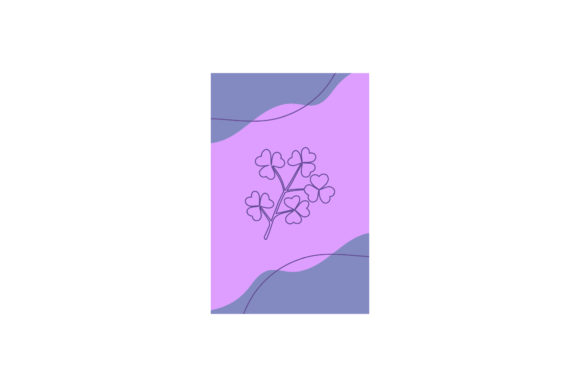
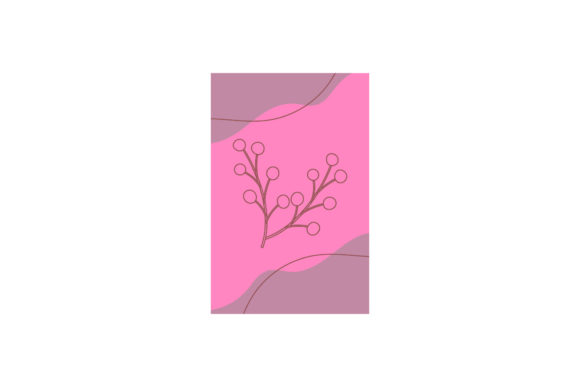
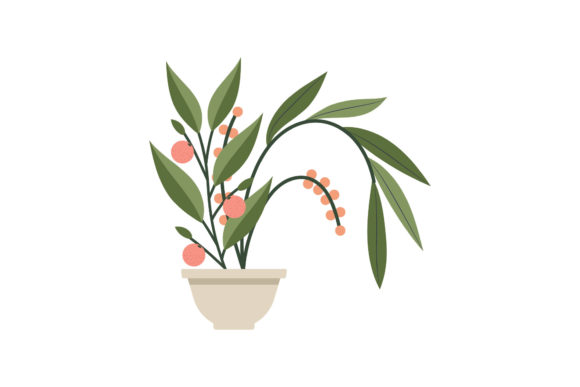
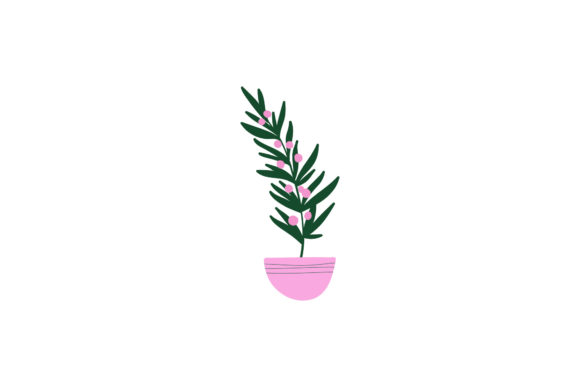
When you first load Floral Flowers Illustration into your digitizing software or preview window, the immediate takeaway is its versatility. It doesn’t feel overly ornate or cluttered, which is a common pitfall for floral assets. Instead, it strikes a balance between delicate detail and bold presence. The layout feels organic, suggesting a mood that is both romantic and grounded. This makes it an incredibly flexible choice for various niches.
For a boutique owner or an Etsy seller, this visual personality is gold. It works equally well for a whimsical nursery decor item or a sophisticated gift for a bride. The shapes within the illustration are clean enough to be interpreted as a crisp satin stitch outline or broken down into textured fill stitch areas. It has a visual weight that promises a premium feel, which is crucial when you are trying to justify a higher price point for your custom apparel or personalized gift items.
Real-Life Application: The Tote Bag Test
To truly evaluate any embroidery file, I believe in simulating a real production run. My test case for Floral Flowers Illustration was a custom embroidered tote bag for a local artisan market. Tote bags are unforgiving; they are made of thin cotton canvas, they stretch when pulled tight in the hoop, and they are handled roughly by customers. If a design fails here, it will fail everywhere.
I selected a mid-sized placement for the design on the front panel of a natural canvas tote. Because Floral Flowers Illustration is a vector graphic, I was able to resize it without losing resolution, allowing me to find the perfect proportion. On the canvas, the design didn’t get lost. The contrast between the thread colors and the fabric texture was excellent. The flowers stood out clearly, even when viewed from a distance across a craft fair table.
This scenario highlights why this design is strong for tote bag design projects. It is large enough to make a statement but detailed enough to reward a closer look. Customers often pick up these bags to inspect the stitching quality, and the clean lines of this illustration translate into a perception of professionalism and trust. It signals that the maker cares about details, which directly impacts buyer engagement.
Performance Across Different Garments and Items
Beyond the tote bag, Floral Flowers Illustration shows remarkable adaptability. Here is how it performs in other common embroidery project contexts:
- Sweatshirt Embroidery: When placed on the chest of a crewneck sweatshirt, the design adds a touch of elegance without overwhelming the garment. The softness of the fleece provides a nice backdrop for the stitch density used in the flower centers. It elevates a basic hoodie into a boutique branding piece.
- Baby Embroidery: For onesies or burp cloths, this design shines. The gentle curves and floral theme are timeless. However, because baby items require frequent washing, the durability of the stitches is key. The structure of this illustration allows for dense enough stitching to withstand machine washes while remaining soft against sensitive skin.
- Embroidered Patch: I tested converting this into an embroidered patch for denim jackets. The clear outer edges of the Floral Flowers Illustration made trimming and applique backing straightforward. It creates a striking focal point on rugged fabrics like denim or corduroy.
- Kitchen Towels and Aprons: For the home goods sector, this design fits perfectly. It brings a cheerful, rustic charm to linen tea towels or cotton aprons. It works well as a standalone motif or repeated in a pattern, offering great value for digital product sellers creating mockups.
Where Caution Is Required
No design is perfect for every situation. As a professional reviewer, I must point out where Floral Flowers Illustration might present challenges. You should use care when applying this design to:
- Small Hoop Sizes: While the design is scalable, attempting to shrink it too small can result in lost detail. Tiny petals may merge together if the hoop size is limited and the stitch count becomes too dense relative to the space.
- Textured or Stretchy Fabrics: On highly textured fabrics like bouclé or very stretchy knits, the definition of the fine lines in the illustration may soften. Always use a proper stabilizer to prevent puckering, which would distort the floral shapes.
- Curved Surfaces: Applying this to caps or hats requires careful digitizing adjustments. The flat nature of the vector needs to be mapped correctly to the curve of the cap front to avoid distortion.
- Dense Stitch Areas: If you plan to use heavy fill stitches for the leaves, be mindful of the total stitch count. Excessive density can make the fabric stiff and uncomfortable, particularly on custom apparel like t-shirts.
Practical Notes for the Embroidery Designer
Before you upload Floral Flowers Illustration to your machine, there are several technical checks I recommend. Since the product description mentions it is a vector file that is openable and editable, you have control over the final output, but that also means you are responsible for the digitization choices.
First, always test on scrap fabric. This is non-negotiable. Check how the thread colors interact with your specific fabric choice. A light gray thread might disappear on a white background but pop beautifully on navy blue. Second, inspect the small details. Zoom in on your digitizing software to ensure that the tiny stems and inner petal veins are represented by appropriate running stitch or satin elements, not just empty space.
I also suggest testing the design in black and white mockups. This helps you evaluate the contrast and composition without being distracted by color. If the shape reads clearly in monochrome, it will likely embroider successfully. Additionally, confirm your licensing terms. Even though this is a digital embroidery file or design asset available for commercial use, you must verify if you are allowed to sell the finished physical products or if you need a specific license for resale. Protect your craft business by reading the fine print.
Final Verdict: Value and Professionalism
Does Floral Flowers Illustration earn a spot in your library? Absolutely. It is a robust, visually appealing graphic that bridges the gap between digital art and tactile craft. For small shop owners and creative entrepreneurs, it offers a reliable foundation for creating high-margin items. Whether you are making holiday embroidery gifts, wedding favors, or everyday apparel decorators stock, this design delivers.
It enhances the perceived value of your work. When a customer sees a well-executed floral design on a tote or sweatshirt, they see skill and effort. This builds brand consistency and customer trust. It is not just a decoration; it is a signal of quality. By taking the time to digitize it thoughtfully, checking your stabilizers, and choosing the right threads, you can transform this vector graphic into a standout finished product that customers will love to wear and display.
In a market saturated with generic clipart, Floral Flowers Illustration stands out for its clarity and potential. It respects the medium of embroidery while offering the flexibility modern designers demand. Use it wisely, test thoroughly, and watch your commercial embroidery offerings take flight.