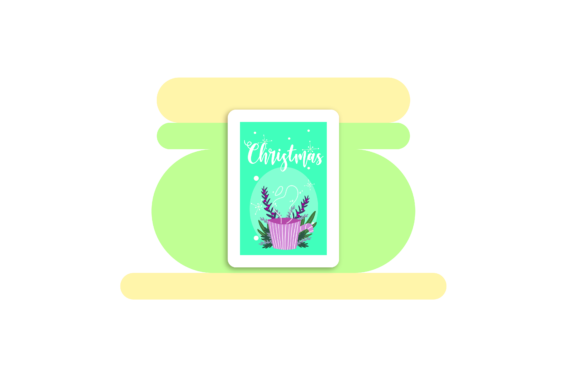
Floral Card Botanical Template: A Designer's Honest Review
I pulled up the Floral Card Botanical Template on a Tuesday morning, coffee in hand, with a specific project breathing down my neck. A small boutique had asked me to create a set of embroidered tote bags for their spring collection launch, something delicate but not fragile, botanical but not grandmotherly. The artwork needed to feel intentional and hand-touched, the kind of detail that makes a customer pause at a craft fair table and say, "Who made this?"
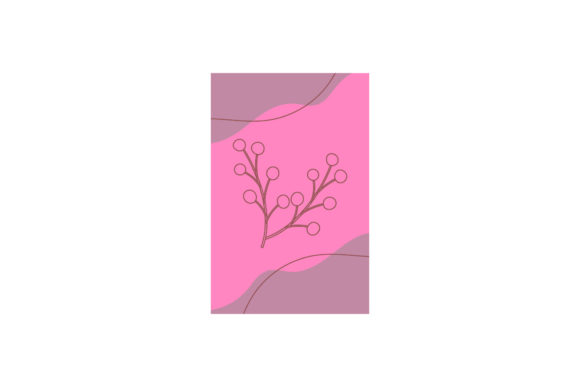
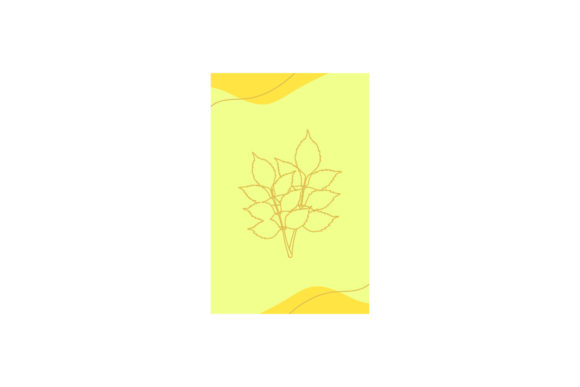
Right away, this design struck a chord. The botanical layout carries a certain quiet confidence. It does not shout. It does not rely on trendy gimmicks. Instead, it leans into a classic floral card aesthetic, the kind of composition you might find pressed inside an old book or lettered on a vintage seed packet. That mood matters more than most people realize. When you are stitching something onto a garment or a bag, the design's personality transfers directly to the finished product. A frantic, overcomplicated graphic often reads as messy threadwork. A balanced, breathing composition like this one tends to translate far more gracefully.
What I appreciate most at first glance is the rhythm of the botanical elements. Leaves, stems, and blooms are arranged with enough openness that your eye moves naturally through the piece. For embroidery specifically, this spacing is gold. Crowded artwork turns into dense, stiff stitching. Airy layouts give the fabric room to drape and the thread room to breathe.
When a Botanical Design Feels Like It Belongs on Fabric
Not every beautiful illustration holds up under the needle. I have learned that lesson the hard way, usually around two in the morning with a seam ripper in one hand and regret in the other. The Floral Card Botanical Template, however, has the structural bones that make embroidery digitizers breathe easier. Clean outlines, defined petal shapes, and a sensible amount of negative space all point toward a smoother digitizing process.
I imagined this stitched onto a natural canvas tote in soft sage green thread, with the flower centers picked out in a dusty rose. The botanical card layout naturally frames itself, which means it does not need excessive surrounding decoration to feel complete. That standalone quality is surprisingly rare. Many floral designs demand companion elements to make sense on a product. This one holds its own.
The Real Test: Imagining It Across Different Products
As a designer who sells finished goods and occasionally licenses artwork, I always run a mental checklist. Where would this design actually shine, and where would it struggle?
On a custom apparel front, I can see this working beautifully on the left chest of a lightweight linen shirt or centered on the back of a relaxed-fit sweatshirt. The botanical theme reads as thoughtful rather than loud, which suits customers who want something pretty but not precious. For tote bags, the rectangular card-inspired layout practically begs to be placed on a flat pocket or the center panel of a market bag. The proportions feel right for that application.
I also thought about pillow covers and tea towels. These are quieter products, often displayed in someone's home rather than worn in public. The botanical card motif suits that environment perfectly. A linen pillow cover with this design embroidered in a single muted thread color would look like something from a thoughtfully curated home goods shop. Kitchen towels with a small version near the hemline would make lovely housewarming gifts.
For baby items, I paused. The wispy stems and smaller botanical details would need careful scaling. Too small, and the thread might blur those delicate lines. Enlarged slightly and stitched on a soft cotton baby blanket, though, the design could feel sweet and heirloom-quality. I would test it on scrap fabric first, always, because what looks gentle on screen can become harsh when thread builds up on tender fabric.
Where Caution Becomes a Designer's Best Friend
Every design has thresholds. Push past them, and quality drops fast. With the Floral Card Botanical Template, I see a few areas that demand respect.
First, hoop size. The botanical details suggest this design benefits from a medium to large hoop, probably nothing smaller than five by seven inches for the full composition. If you try to cram it into a four-by-four hoop, those elegant gaps between stems may close up, and the stitch density could climb uncomfortably high. I would rather scale it down selectively, perhaps using just a portion of the design for small cosmetic bags or baby onesies, than shrink the whole thing indiscriminately.
Second, fabric choice matters enormously. Stretchy fabrics like jersey or thin rayon blends will test the stability of any botanical design with fine connecting lines. A good cutaway stabilizer becomes non-negotiable. For textured fabrics like waffle weave or thick terry cloth, the finer botanical details may sink into the pile and lose definition. I would stick with smooth, medium-weight cottons, linens, and canvas blends for the cleanest results.
Third, thread color contrast needs thought. A design this airy can disappear on a busy printed fabric or a dark background if thread colors are not chosen carefully. I learned years ago to test my color selections on a fabric swatch identical to the final product. Sometimes a thread that looks perfect on the spool reads completely differently once stitched. For dark backgrounds, slightly lighter or warmer tones than you expect often compensate for how thread absorbs light.
The Commercial Angle: Would I Sell Products with This Design?
The short answer is yes, but with intention. The Floral Card Botanical Template belongs on products where someone is willing to pay a little extra for detail. This is not a budget-friendly, high-speed production design. It reads as artisanal, and that is exactly the right lane for it.
For Etsy sellers and craft business owners, this design opens up strong gifting categories. Think Mother's Day embroidered handkerchiefs, bridal party tote bags, or personalized botanical patches for denim jackets. The card-style layout even hints at stationery, which means you could pair embroidered products with matching paper goods for a cohesive brand experience. A customer who buys a botanical embroidered pouch might also love a coordinating greeting card set.
From a branding perspective, consistency is everything. If your shop aesthetic leans romantic, vintage-inspired, or nature-driven, this botanical template will reinforce that identity without you having to explain it. Buyers recognize cohesion faster than we give them credit for. They may not articulate why a shop feels trustworthy, but repeated design language plays a huge role.
Digitizing Reality Check: What the Illustrator Won't Tell You
Here is where I put on my practical hat. This design arrives as an AI File and SVG File, which are vector formats under the Illustrations and Graphics categories. That means you are getting clean, scalable artwork ready for printing, cutting, or further editing. For machine embroidery specifically, you will need to digitize this artwork or send it to a professional digitizer. The file itself is not a stitch-ready embroidery file.
This is not a drawback, it is simply a fact of the workflow. Many of my favorite embroidery projects started as vector artwork that I digitized myself. The advantage of receiving a clean SVG or AI file is that you have full control over the final stitch output. You decide the stitch types, the densities, the underlay, the pull compensation. You are not locked into someone else's digitizing choices.
That said, beginners should know this upfront. If you are expecting to download a file and immediately load it onto your embroidery machine, you will need an intermediate step. The time investment is real, but so is the creative freedom.
A Small Project That Told Me Everything
Last week, I took a portion of this botanical template and ran a test on a scrap of oatmeal-colored linen. I used three thread colors, a soft olive for the stems, a muted coral for the blooms, and a warm cream for the tiny accent flowers. The result stopped me mid-task. Something about seeing those botanical lines rendered in actual thread changed how I valued the design. The stitched version felt more personal than the screen version, more permanent. That shift is precisely what customers experience when they hold a finished handmade product.
I showed the sample to a friend who runs a small stationery shop. She immediately asked if I could produce a batch of embroidered notebook covers using a simplified version. That reaction told me the design has commercial legs. People respond to botanicals because they feel familiar without being boring. A floral card motif carries emotional warmth that abstract patterns often lack.
Practical Notes Before You Start Stitching
- Test on scrap fabric first. Always. No exceptions. The design's fine botanical connections may need tension adjustments depending on your machine and thread brand.
- Check thread color contrast. Hold your thread choices against the actual fabric under natural light. What looks good indoors may wash out in daylight.
- Confirm your hoop size. Measure the design dimensions after digitizing and make sure your hoop accommodates it comfortably with room for proper stabilization.
- Use the right stabilizer. For wearable items, a quality cutaway stabilizer prevents shifting over time. For home decor pieces, a tearaway may suffice on tighter weaves.
- Inspect small details. Run a black and white mockup print to see if the design still reads clearly without color. If details vanish in grayscale, they may blur in thread.
- Verify licensing terms. Confirm whether the artwork license covers finished products for sale, digital product resale, or both. Never assume.
Who Should Use This Design
If you are a small shop owner preparing boutique merchandise, a craft fair vendor building inventory for spring markets, an Etsy seller expanding into personalized gifts, or a creative entrepreneur who values designs with emotional warmth over loud trends, the Floral Card Botanical Template deserves a spot in your asset library. It suits makers who think about the full product experience, not just the graphic itself.
For hobbyists and makers who simply love stitching beautiful things for friends and family, this design offers enough variation to stay interesting without becoming overwhelming. Each botanical element invites subtle color experimentation, and the card format gives you a natural boundary that simplifies product placement decisions.
Final Thought Before You Hit Stitch
Good design is not just about how something looks on a screen. It is about how it behaves under thread tension, how it drapes on a body, how it catches light on a shelf, and how it makes a buyer feel when they unwrap it. The Floral Card Botanical Template earns its place in that conversation. It will not solve every embroidery challenge, no single design does, but it brings a refined botanical personality that many products desperately need. Use it wisely, test it thoroughly, and let the thread do the rest.