Floral Card Nature Spring: A Designer’s Honest Review
Some designs land in your inbox and you immediately know where they belong. Floral Card Nature Spring is one of those. The moment I opened the file, I could picture it stitched onto a natural linen tote bag, the kind that sells out at weekend craft markets before noon. That instinct is worth paying attention to when you run a small embroidery business and every design choice affects how your products are perceived.
This isn't a review written after glancing at a thumbnail. I test designs the way any working embroiderer should: I think through fabric choices, thread color mapping, hoop limitations, wash durability, and most importantly, whether a finished piece will make someone stop scrolling on Etsy or pause at a craft fair table. Floral Card Nature Spring holds its own under that scrutiny, though like any design, it has sweet spots and situations where you should proceed with care.
The Mood and Shape of Floral Card Nature Spring
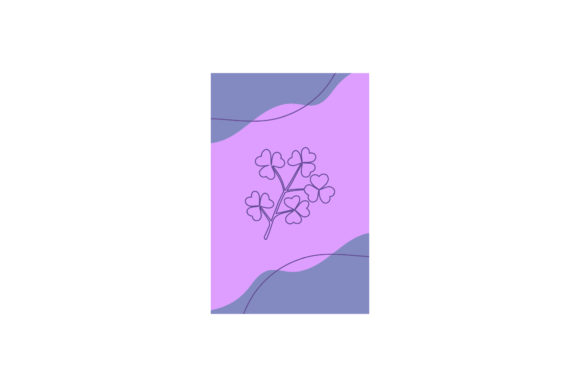
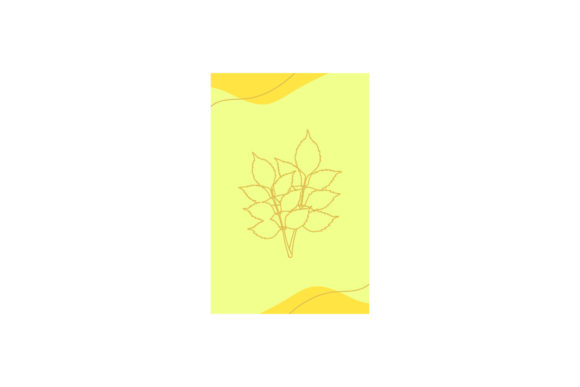
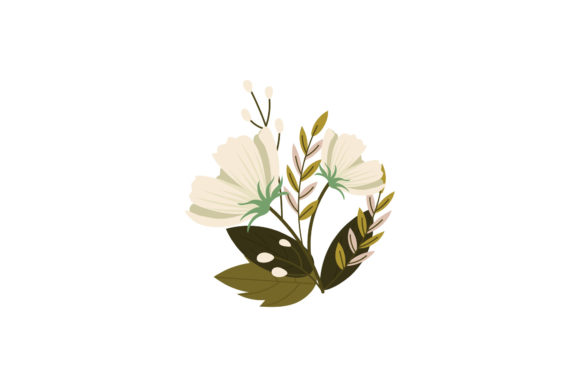
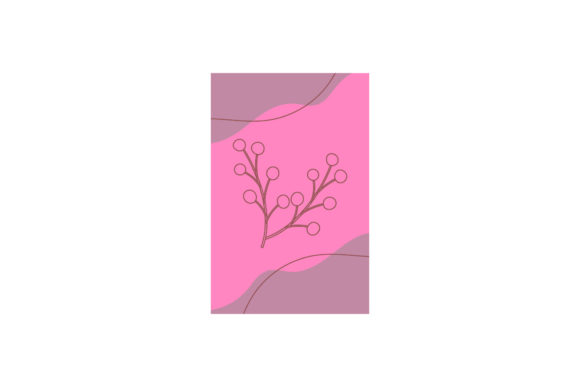
What strikes me first about Floral Card Nature Spring is how naturally the composition breathes. The floral elements don't feel crammed into a rigid frame. There is an organic flow to the leaves and blooms that suggests gentle movement, almost like a breeze passed through the illustration right before it was saved. That quality matters more than many newcomers realize. A stiff, overly symmetrical floral design can look oddly formal on a casual canvas tote or a soft cotton sweatshirt. This one carries a relaxed springtime personality that translates well to handmade goods.
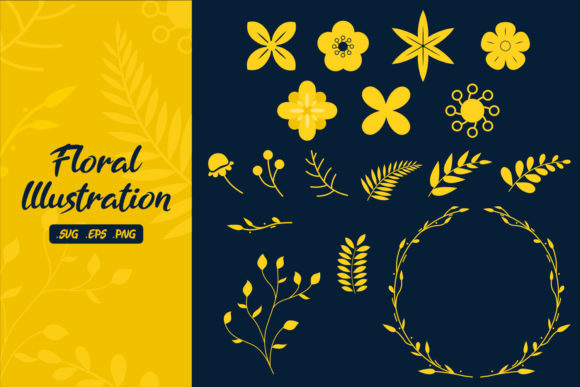
The nature-inspired theme here is versatile without being generic. It leans into the kind of botanical softness that works beautifully for baby shower gifts, nursery wall decor printed from the included files, bridal party tote bags, and even simple tea towels destined for a kitchen refresh. I can also see it printed on a sticker sheet or a greeting card, which makes sense given the product description covers posters, stickers, and cards alongside apparel applications. That cross-medium flexibility is a genuine asset for sellers who diversify their product lines.
Where Floral Card Nature Spring Truly Belongs
If you asked me to pick the single best embroidery project for this design, I would point you toward a medium-weight canvas tote bag in a cream or soft oat color. Picture a running stitch outline paired with selective fill stitching in muted sage green, dusty rose, and warm butter yellow. The floral shapes are distinct enough to read clearly at a normal carrying distance, and the nature theme resonates with buyers who gravitate toward earthy, understated style. I have sold enough botanical totes to know this combination works.
Beyond totes, here is where Floral Card Nature Spring can genuinely perform in real-life embroidery and print scenarios:
- Custom sweatshirts: Placed on the upper left chest or centered on the back, the design has a boutique clothing feel that appeals to customers who want something prettier than a logo but not overly flashy.
- Baby clothes and nursery items: The gentle floral shapes and soft nature theme suit burp cloths, tiny onesies, and crib sheets. Parents respond to botanical designs that feel calm and gender-neutral.
- Kitchen towels and aprons: Stitched in a single color or two-tone thread palette on linen or flour sack cotton, this design elevates a practical item into something giftable.
- Embroidered patches: With careful digitizing, the floral elements can be condensed into a wearable patch for denim jackets, canvas backpacks, or cap accents.
- Pillow covers and home decor: A larger hoop rendering on a cotton-linen blend pillow cover turns Floral Card Nature Spring into a decorative statement that feels handmade in the best way.
- Greeting cards and stickers: The included AI and SVG files mean you can print this design onto cardstock or sticker paper without needing embroidery at all, which opens a parallel revenue stream.
- Etsy digital product listings: Sellers offering printable mockups or design assets can bundle this with other botanical illustrations for a cohesive shop aesthetic.
A Real Project Walkthrough: The Tote Bag Test
Last month I prepared a batch of embroidered tote bags for a local pop-up shop. One client wanted something botanical but not overly feminine, something that felt like spring without screaming it. I pulled up Floral Card Nature Spring and tested it on a scrap of medium-weight canvas with a medium-weight cutaway stabilizer. I used three thread colors: olive green for the stems and leaves, blush pink for the larger petals, and cream for the smaller accent flowers.
The stitching took around twenty minutes on my single-needle machine using a combination of satin stitch edges and light fill stitch interiors. The design digitized cleanly from the SVG file, and the floral shapes held their integrity without puckering the fabric. After a wash test inside a mesh laundry bag on a gentle cycle and a low-heat tumble dry, the stitches looked exactly as they had fresh off the hoop. No pulling, no distortion. That kind of durability builds customer trust faster than any listing description ever could.
What I noticed during this project was how the design's open layout worked in my favor. Dense floral designs can turn canvas stiff and uncomfortable against the body. Floral Card Nature Spring left enough negative space that the tote remained soft and flexible. The customer bought two more before the pop-up ended, which tells you what you need to know about real-world reception.
Where Caution Makes Sense
No design is universally perfect, and honest reviewers say so. Here are the situations where I would pause before using Floral Card Nature Spring in an embroidery project:
- Very small hoop sizes: If you are limited to a 4x4 inch hoop or smaller, the floral details may become too compressed. Test the scaled version on scrap fabric before committing. Fine botanical lines can blur when reduced too aggressively.
- Highly textured fabrics: Terry cloth, chunky knits, and heavily napped fleece will swallow the delicate stem and leaf details. If you must embroider on these surfaces, use a heavy water-soluble topper and expect to lose some crispness.
- Thin or stretchy fabrics without proper support: Jersey, rayon, and lightweight ribbed knits need heavy stabilizer backing. Otherwise the floral shapes may warp during stitching and never fully recover their intended outline.
- Dark fabrics with low-contrast thread choices: Light pastel petals on black cotton may not pop enough. Bump up the thread brightness or use a high-contrast palette that still honors the nature theme.
- Products requiring frequent aggressive washing: While my test wash went well, any embroidered item benefits from gentle care. Dish towels used daily and scrubbed hard will wear down satin stitches faster than a decorative pillow cover ever will.
Visual Appeal and Customer Reception
When I evaluate how a design like Floral Card Nature Spring affects perceived product value, I think about what catches a buyer's eye in a listing photo. Botanical designs have strong staying power in handmade marketplaces because they feel personal without being niche. A floral embroidery on a tote bag or sweatshirt reads as thoughtful, not trendy. That matters for sellers who want products that remain relevant across multiple seasons rather than fading after one Instagram cycle.
The spring theme here is specific enough to anchor a seasonal collection yet broad enough to sell year-round. I have seen nature-inspired floral designs move steadily even in autumn and winter, especially when paired with warm neutral backgrounds and natural fabric textures. The key is presenting the finished product in a way that highlights the stitching texture, and Floral Card Nature Spring has the kind of detail density that photographs well under natural window light.
Customer trust also grows when your products look consistent in style and quality. If your shop sells botanical embroidery, this design fits into a cohesive visual brand without repeating the same floral arrangement over and over. Buyers who favorite one of your embroidered items will recognize the aesthetic continuity when they see this one next to your other listings. That familiarity drives repeat purchases and word-of-mouth recommendations among craft-loving communities.
Practical Designer Notes Worth Following
Before you run Floral Card Nature Spring on a final product, do what experienced embroiderers always do: test thoroughly and prepare for variability. Here is the checklist I run through before any design enters my production workflow:
- Scrap fabric test: Run the design on a fabric similar to your intended final material. Cotton, canvas, linen, and fleece all behave differently under needle tension.
- Thread color contrast check: Lay your thread spools side by side in natural light. Colors that look distinct under artificial lighting can blend together on fabric, losing petal definition and leaf separation.
- Stitch density review: If you are digitizing from the provided vector files, watch for overly dense fill areas that can make fabric stiff or cause thread breaks. Botanicals often look better with slightly lighter density to preserve fabric drape.
- Hoop size confirmation: Measure the digitized design dimensions and confirm your hoop can accommodate the full stitch area plus adequate clearance for the hoop clamp.
- Small detail inspection: Zoom in on the thinnest stems and smallest petals. If they drop below one millimeter in width, they may not stitch cleanly on textured or loosely woven fabrics.
- Black and white mockup test: Convert the design image to grayscale and check whether the composition still reads well. Strong tonal contrast often predicts good stitch visibility across different fabric colors.
- Light versus dark fabric testing: A design that glows on cream cotton may disappear on charcoal canvas. Adjust thread colors accordingly or reserve Floral Card Nature Spring for light to medium fabric backgrounds.
- Stabilizer pairing: Medium-weight cutaway for knits, tear-away for woven cotton and canvas, and water-soluble topper for textured surfaces. Do not skip stabilizer changes between fabric types.
Commercial Use and Licensing Awareness
Because Floral Card Nature Spring arrives with AI and SVG file formats, it sits comfortably in a digital product workflow. You can use it for embroidery digitizing, printable mockups, sticker sheets, poster prints, and greeting card designs. The product description notes that the design works for shirts, clothes, posters, stickers, tote bags, cards, and more, which signals a broad intended use range.
However, I want to be clear about something important. Before you sell finished products featuring this design or include it in a digital bundle you plan to list commercially, verify the licensing terms directly with the seller or platform. Open-ended usage descriptions are helpful for understanding the design's flexibility, but they do not replace a formal commercial license confirmation. This applies whether you are stitching it onto sweatshirts for your Etsy shop, printing it on stickers for a craft fair, or offering it as part of a printable design asset pack. Protect your business by knowing exactly what your license covers before you invest time, thread, and materials into production.
How the Vector Files Support Your Workflow
The availability of AI File and SVG File formats makes Floral Card Nature Spring immediately useful for more than just embroidery. Vector files scale without losing quality, which means you can resize the artwork for a small sticker, a medium tote bag print, or a large poster without pixelation. For embroidery digitizers, clean vector artwork reduces the time spent tracing and cleaning up raster images. The paths are typically cleaner, the shapes more defined, and the color separations easier to identify. That efficiency alone can justify adding this design to your library if you regularly convert illustrations into stitch files for clients or your own product line.
I also appreciate that the design falls under the Illustrations category and is listed as Graphics. That categorization tells me it was created with visual clarity in mind, not as an afterthought or a quick trace of a sketch. The lines feel intentional. The spring theme reads clearly without needing explanatory context. Whether printed on a greeting card or stitched onto a baby blanket, the nature-inspired floral arrangement communicates exactly what it intends to: warmth, growth, and understated beauty.
Final Thoughts Before You Stitch
After working through my standard evaluation process, I can say that Floral Card Nature Spring earns its place in a working designer's collection. It fits the botanical niche that performs consistently well across handmade marketplaces, offers file formats that support both embroidery digitizing and print projects, and carries a visual personality that adapts to tote bags, baby items, apparel, home decor, and paper goods with equal ease.
What gives me confidence recommending it is not just how it looks on screen but how it behaved on fabric during my test runs. The stitches held. The fabric stayed soft. The customer smiled. That triad matters more than any preview image ever could. If you run a small embroidery business, a craft product shop, or a digital design store, Floral Card Nature Spring is worth testing on your own materials under your own conditions. Do the scrap fabric run, check your thread palette, confirm your hoop fit, and make sure your license covers your intended use. Then go make something that feels like spring, even in the middle of autumn.