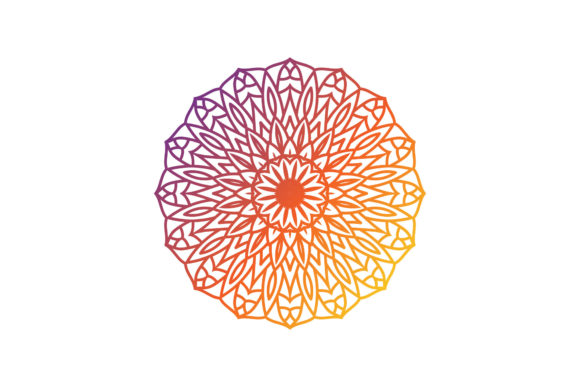
Mandala Circle Floral Embroidery Review
When I sit down to evaluate a new embroidery file, I am rarely looking for just "pretty." I am looking for viability. Can this design hold up on a garment? Will it translate well from screen to fabric? Does it have the structural integrity to survive a commercial wash cycle without looking frayed or muddy? Today, I am putting Mandala Circle Floral Illustrations through that same rigorous filter. As a designer who frequently creates assets for clients and sells handmade goods, I need to know if this vector graphic is going to be a hero piece in my next collection or a headache in the hoop.
The product description highlights that these are vector files—openable, editable, and resizable. This is a crucial starting point. For an embroidery project, the ability to scale is everything. A design that looks balanced at 4x4 inches might fall apart when scaled up for a sweatshirt back print. The circular nature of a mandala offers inherent symmetry, which is forgiving to the eye, but it presents specific challenges for digitizing. Let us look at how Mandala Circle Floral Illustrations performs in real-world scenarios, from custom apparel to boutique merchandising.
First Impressions: Mood and Visual Personality
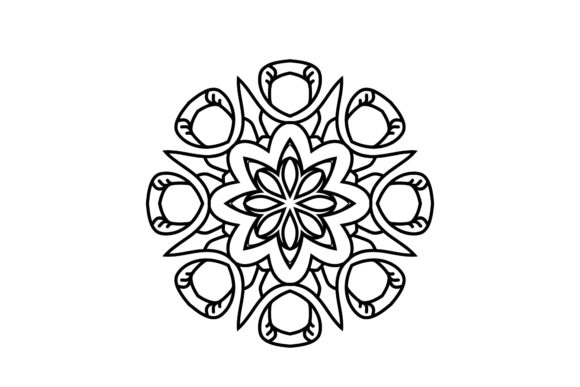
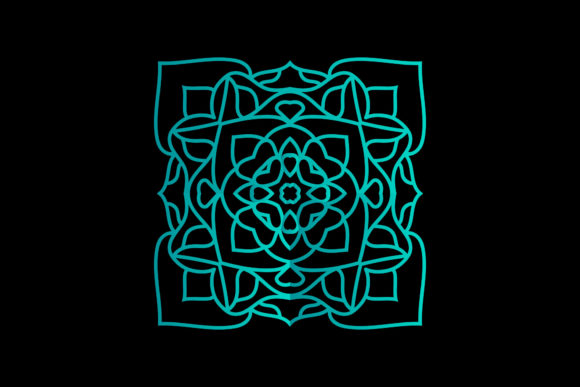
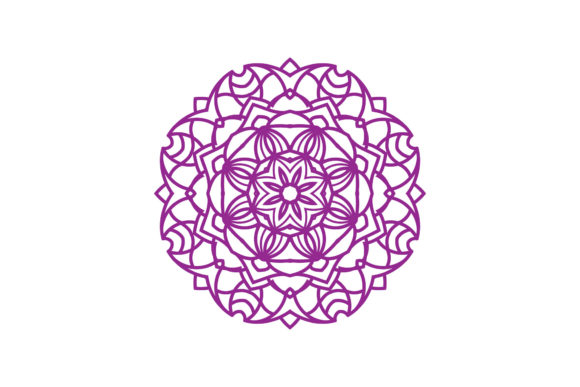
At first glance, the Mandala Circle Floral Illustrations exude a sense of calm precision. The radial symmetry suggests balance, making it an excellent candidate for centered placements. Whether you are designing a chest logo for a boutique brand or a central medallion for a large tote bag, the geometry guides the viewer’s eye naturally to the center. The floral elements soften the rigid geometric lines, adding a touch of organic warmth that appeals to the modern crafter and the Etsy seller alike.
This is not a loud, aggressive design. It does not scream for attention; rather, it invites inspection. This subtlety is a double-edged sword in embroidery. On one hand, it feels premium and sophisticated, suitable for high-end custom apparel. On the other hand, if the details are too fine, they may get lost in the stitching process. The visual personality here leans toward "artisanal" and "handcrafted," which aligns perfectly with the values of handmade shop owners and craft fair vendors. It feels like something that belongs on natural fabrics—linen, cotton, or denim—rather than slick synthetics.
Real-World Application: Where This Design Shines
I have been thinking about where Mandala Circle Floral Illustrations would fit best in my current workflow. The versatility of a circular motif allows it to adapt to various embroidery projects with minimal modification. Here is how I see it performing in specific use cases:
- Tote Bag Designs: A large mandala centered on a canvas tote is a classic. The circle frames beautifully against the rectangular shape of the bag. Because the design is scalable, I can adjust the density to ensure the petals don’t merge together on thick canvas fabric.
- Sweatshirt Embroidery: Placing this on the front left chest of a crewneck sweatshirt adds a subtle touch of elegance. However, I would recommend using a lighter thread color palette to maintain contrast against the heathered fabric textures often found in hoodies.
- Baby Embroidery: Soft florals within the mandala structure make this suitable for baby clothes and nursery decor. The circular shape is gentle and non-threatening, perfect for onesies or burp cloths. Just be mindful of stitch density; baby skin is sensitive, and we want to avoid overly stiff backing materials.
- Embroidered Patches: The self-contained circular nature makes this ideal for iron-on or sew-on patches. You can easily add a border around the mandala to create a clean edge, turning it into a standalone badge for hats or jackets.
- Holiday Embroidery: While not explicitly seasonal, the intricate detail gives it a festive feel. Imagine this on a tea towel or a kitchen apron during the holidays. It elevates a simple gift into a keepsake.
For digital product sellers, this vector asset is also valuable. You can create printable mockups showing the mandala on various products, allowing customers to visualize the final result before purchase. This reduces return rates and increases buyer engagement by setting clear expectations.
Technical Considerations and Potential Pitfalls
No design is without its challenges, and Mandala Circle Floral Illustrations is no exception. As an experienced reviewer, I must point out where caution is required. The primary concern with any circular, detailed design is the handling of small details and curved surfaces.
If you attempt to stitch this on a curved surface, such as a baseball cap, the distortion will be significant. The circle will become an oval, and the symmetry will break unless you digitize specifically for that curve, which is advanced work. Similarly, on stretchy fabrics like jersey knits used for t-shirts, the tension of the stitches can pucker the fabric, distorting the mandala’s shape. In these cases, a cut-away stabilizer is non-negotiable.
Another area to watch is stitch density. If the original illustration has very thin lines or tiny gaps between petals, these may fill in during stitching, creating a solid blob rather than a delicate pattern. I advise testing the design on scrap fabric first. Check the thread colors carefully. Dark threads on dark fabric will lose definition, while light threads on light fabric may lack contrast. Always inspect small details after digitizing. If the satin stitch edges are too narrow, they may fray over time, especially on products that need frequent washing.
Practical Designer Notes for Success
To get the most out of Mandala Circle Floral Illustrations, follow these practical steps before committing to your final production run:
- Test on Scrap Fabric: Never assume a design will work on your target material. Test on the actual fabric type—denim, linen, cotton—to see how the fabric texture interacts with the stitches.
- Check Hoop Size: Ensure the design fits comfortably within your machine’s maximum hoop size. If you need a larger size, you may need to split the design or use multi-hoop techniques, which adds complexity.
- Review Stitch Types: Determine if the design relies heavily on fill stitch areas. Dense fills can be heavy and stiff. Consider replacing some fill areas with running stitch or applique design elements to reduce bulk and improve drape.
- Use Proper Stabilizer: The choice of stabilizer (cut-away vs. tear-away) depends on the fabric weight. Heavy fabrics need cut-away for longevity; lightweight fabrics may require water-soluble stabilizers to prevent visible marks.
- Confirm Licensing: Before selling finished items or digital embroidery files, verify the license terms. Some vectors allow commercial use of the final physical product but prohibit reselling the digital file itself. Clarity here protects your craft business from legal issues.
- Black and White Mockup: Convert the design to black and white to check contrast. If the shapes blend together in grayscale, they will likely merge in color stitching.
Final Verdict: Is It Worth Your Time?
Overall, Mandala Circle Floral Illustrations is a strong contender for designers seeking a versatile, elegant motif. It strikes a good balance between intricate detail and overall readability. For Etsy sellers and small shop products, it offers a professional look that enhances perceived value. The vector format ensures you can tweak sizes and proportions to fit your specific design assets library.
However, success depends on execution. It is not a "set it and forget it" design. It requires thoughtful digitization, appropriate material choices, and careful testing. If you approach it with the diligence it deserves, Mandala Circle Floral Illustrations can become a staple in your portfolio, driving sales for personalized gifts, commercial embroidery projects, and bespoke client work. It is a tool that rewards skill and patience, offering a beautiful end result that resonates with customers who appreciate quality craftsmanship.
In summary, this is a high-potential asset for those willing to invest the time in proper preparation. It fits seamlessly into the workflows of hobbyists and professionals alike, provided you respect the technical nuances of machine embroidery. Happy stitching!