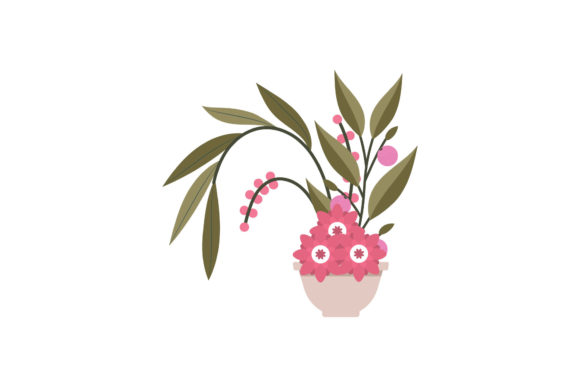
Floral and Flower Vector Illustration: Craft-Ready Graphics
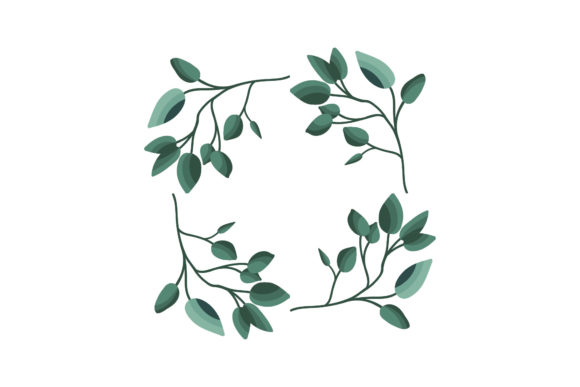
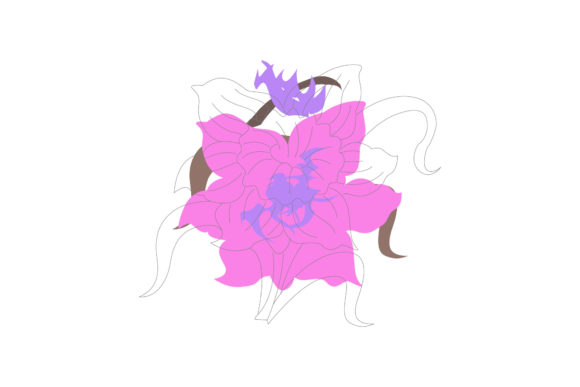
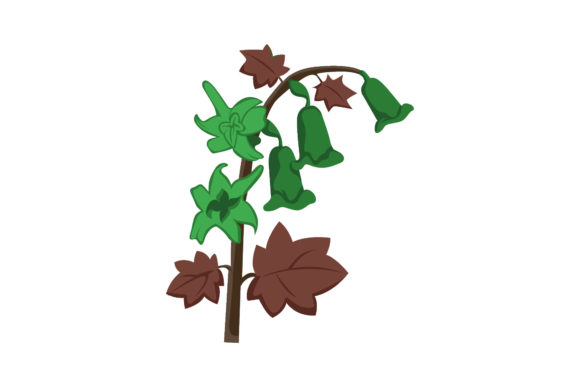
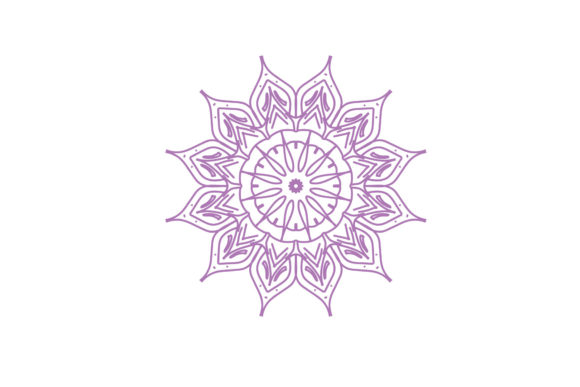
When I first opened this floral and flower vector illustration, I immediately pictured a spring collection I’ve been sketching for my Etsy shop. The linework felt delicate without being fragile, and the composition had that comfortable, lived-in garden feel that my customers tend to gravitate toward when they’re shopping for handmade gifts. It’s the kind of graphics asset that makes you want to brew a cup of tea, clear your cutting mat, and start testing materials right away.
The mood sits somewhere between romantic and playful. It doesn’t lean too far into formal botanical territory, nor does it feel childlike. For me, that sweet spot is exactly where small-batch products thrive. I’ve learned over the years that illustrations with this balance tend to attract buyers looking for personalized wedding items, baby shower favors, garden party decorations, and soft seasonal decor. If your handmade business caters to that gentle, nature-inspired customer, this design could slip right into your product lineup without a lot of extra styling work.
How This Floral Design Fits Real Crafting Workflows
My test for any new graphic design asset is whether I can picture at least three finished products before I even import the file. With this floral and flower vector illustration, I easily counted five. The 1920 px by 1280 px canvas gives plenty of breathing room for resizing without losing quality, which matters when you move from something as small as a thank-you card to something as large as a tote bag panel.
The availability of SVG, PNG, EPS, AI, and JPG formats in one download removes the usual file conversion headache. As a Silhouette user who regularly collaborates with a Cricut-using friend on craft fair bundles, having both vector and raster options ready to go means less time troubleshooting and more time cutting. I pulled the SVG directly into Silhouette Studio, and the separation was clean enough for vinyl work without needing to edit node by node. The PNG opened with a properly transparent background in Photoshop, which is non-negotiable when I build layered printable designs for planner sticker sheets.
Handmade Products That Match This Illustration Best
Over the past few seasons, I’ve noticed that floral motifs perform especially well in certain handmade categories. This particular illustration seems built for products where softness and detail are selling points rather than obstacles. Here’s where I’d confidently place it:
- Tote bags and canvas pouches: The scale works beautifully for heat transfer vinyl or sublimation panels. The design fills a standard tote face without overwhelming the eye.
- Greeting cards and gift tags: Printed at 40–60% of its original size, the floral composition still holds charming detail. Gift tag sets made with this design became an immediate addition to my next market prep list.
- Mug wraps and tumbler sublimation: The horizontal orientation fits standard mug press templates surprisingly well. For skinny tumblers, I’d slightly rotate or crop, but the original ratio rarely needs heavy rework.
- Printable wall art: At 300 DPI, the JPG version prints crisp enough for 8x10 frames. I tested a sample on matte fine art paper, and the result looked boutique-ready.
- Sticker sheets and decals: The floral clusters can be isolated into smaller elements for kiss-cut sticker layouts. I often break one illustration into five or six individual stickers to offer variety on a single sheet.
Where to Use Caution With Delicate Details
Every design has its limits on a cutting machine, and I’ve learned to spot potential trouble areas before I waste good material. With this floral and flower vector illustration, the thinner stem lines and some of the smaller petal overlaps could create issues at extremely small sizes. If you’re planning to cut vinyl decals smaller than two inches, inspect the SVG closely and consider slightly thickening the finest paths. For sticker designs under one inch, some of the inner flower details might not read clearly when printed.
I’d also recommend testing layered vinyl projects carefully. This illustration works best as a single-color cut or a print-then-cut image rather than a multi-layer registration challenge. The beauty lies in its cohesive, flowing composition, and trying to separate colors into individual vinyl layers might lose the airy feel that makes it appealing. If you sell to customers who prefer bold, high-contrast graphics, you might need to simplify the layout or boost the line weight before cutting.
Practical Pre-Crafting Checks That Save Time and Money
Before I ever list a new product made with a purchased design, I run through a short checklist that has saved me from more ruined blanks than I care to remember. With this floral design, some steps took two minutes, and others took fifteen. All of them were worth doing.
First, always test the SVG in your cutting software. Import the file, ungroup elements if needed, and look for open paths or stray nodes. This one imported cleanly for me, but every machine and software version behaves slightly differently. A quick test cut on basic cardstock with a fine-point blade reveals whether the lines hold up under speed and pressure.
Second, check PNG transparency over a colored background. Drop the file onto a dark mockup in your design software. If you see white halos or jagged edges around the flowers, you might need to adjust your print settings or clean up the edges before producing physical items. My PNG sample showed smooth transparency, which made mockup placement seamless.
Third, print a color swatch test. The colors you see on screen rarely match what your printer outputs. Run a small section of the JPG through your sublimation or inkjet printer on the material you plan to use, and compare it against your screen. I always keep a printed reference card next to my workstation for each design I regularly use.
Fourth, place the design on real product mockups before committing to a production run. I mock up every new floral product on at least three backgrounds: a white enamel mug, a natural cotton tote, and a dark charcoal shirt. What looks airy and charming on white can disappear on darker substrates, or the saturation might shift unexpectedly.
Pairing This Floral Graphics Asset With Typography
One of my favorite parts of building handmade product collections is choosing typefaces that complement the illustration style. This floral and flower vector illustration pairs naturally with several font families depending on your target atmosphere. For wedding and baby shower items, a delicate script font or handwritten font adds a personal keepsake quality. For garden market displays and rustic craft fair signage, a clean serif font grounds the organic shapes with a touch of structure. For modern minimalist products, an airy sans serif font keeps the focus on the blooms. If you’re designing playful sticker sets or party favor tags, a rounded display font can push the mood toward cheerful without overshadowing the artwork.
Commercial Use and Handmade Business Licensing
This is the section where I slow down and read carefully, because licensing terms determine whether a purchase becomes a profitable investment or a legal headache. When you plan to use any illustrations for customer orders, Etsy products, or craft fair inventory, you need to confirm that the license covers commercial use for physical finished products. Many digital product designers offer standard and extended licenses, and the distinction often hinges on whether you’re selling the design itself or items you physically make with it.
For handmade sellers, the typical requirement is a commercial license that permits creating and selling physical goods. If you intend to use this floral and flower vector illustration on print-on-demand platforms, double-check whether the license explicitly allows third-party printing services. Some designers restrict this, and overlooking it can lead to your listings being flagged. I keep a folder of license confirmations for every design asset I use in my shop, and I recommend every small business owner do the same.
How This Design Performs in Seasonal Collections
Spring and summer launches are the obvious homes for floral themes, but I’ve learned that graphics like this one carry through autumn and winter with thoughtful color adjustments. A muted palette shifts the same illustration toward cozy fall markets. Deep jewel tones make it suitable for holiday gift packaging. This versatility matters when you’re planning a cohesive design bundle that spans multiple selling seasons without feeling repetitive.
For a recent product line, I took a similar floral asset and used it across thank-you cards in May, teacher appreciation mugs in June, and holiday candle labels in December, simply by adjusting the color story and the accompanying text. The core illustration remained the same, but the finished products each felt distinct. That kind of reuse is how small handmade businesses stretch their creative investment.
Streamlining Production With Ready-to-Use File Types
The five included formats make a noticeable difference when you’re juggling multiple product types in a single afternoon. The AI and EPS files are there if you need to make deeper edits in Adobe Illustrator, such as recoloring specific floral elements or resizing individual blooms for a composition shift. The SVG file feeds directly into cutting machines. The PNG file suits layered digital designs and product mockups. The JPG file handles quick printables and sublimation sheets. Having all of them bundled together means I don’t have to email a designer for an alternate format three days before a market deadline, which has genuinely happened before I got better about checking file lists before purchasing.
Who Should Consider Adding This Illustration to Their Creative Toolkit
Based on my experience, this floral and flower vector illustration makes the most sense for Cricut users and Silhouette users who regularly make gifts, party goods, and home decor accents. Etsy shop owners selling printable art, sticker sets, or personalized stationery will find the piece ready to layer into their existing product photography. DIY creators who teach workshops or sell at local craft fairs can use it for live demonstration projects that look impressive without requiring advanced technical skills.
Small business owners building a branded line of handmade items will appreciate how the design carries across different product categories while maintaining a consistent visual identity. And print-on-demand sellers who need high-resolution artwork for customer-facing mockups can drop the PNG or JPG directly into their product templates.
If you’re someone who tests designs thoroughly before launching a product, keeps notes on which materials work best, and treats every blank as a potential customer order, this floral asset fits that careful, craft-centered approach. It arrived ready to use, and with a few real-world checks, it turned into saleable inventory faster than many other design assets I’ve purchased over the years.
What I value most in a graphic design asset is that it respects the maker’s workflow. This floral and flower vector illustration didn’t require me to fight with node editing, troubleshoot format issues, or compromise on quality when scaling between a small sticker and a large tote panel. For a creative marketplace where time directly impacts profit, that reliability matters more than any trend.