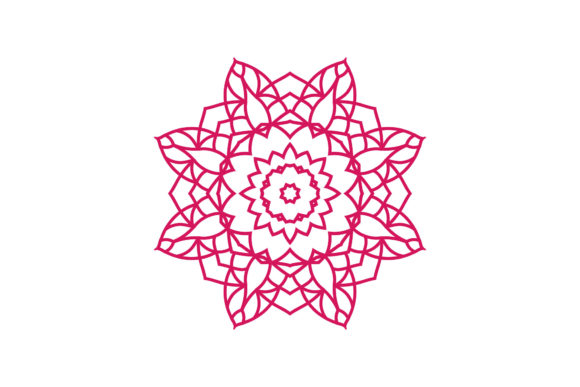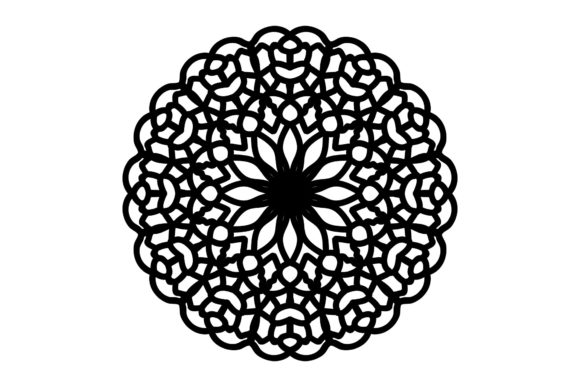
Mandala Floral Vectors Graphics and Illustrations Review
As a brand designer who spends most of my days refining visual identities for local enterprises, I approach every new asset with a mix of skepticism and curiosity. When Mandala Floral Vectors landed in my review queue, I didn’t just see a pretty picture; I saw potential applications for real-world branding challenges. This graphic design asset is not merely decorative clipart; it is a versatile tool that can elevate the perceived value of a product or service if used with intention. My evaluation focuses on how this illustration performs when applied to actual small business branding projects, particularly for packaging design, promotional materials, and digital marketing visuals.
The First Impression: Mood and Brand Personality
Upon opening the vector files, the immediate takeaway is the intricate balance between organic flow and geometric precision. The mood created by Mandala Floral Vectors is one of calm sophistication mixed with artisanal charm. It suggests a brand personality that is both elegant and approachable. For a local business owner, this specific aesthetic bridges the gap between premium luxury and handmade authenticity. It feels suitable for businesses that want to communicate quality without appearing cold or overly corporate.
This design asset works exceptionally well for brands that rely on emotional connection. Whether you are running a boutique skincare line, a specialty coffee roastery, or a handmade candle studio, the floral mandala pattern provides a sense of wholeness and care. It signals to the customer that attention to detail matters. The lines are clean enough to maintain a modern design sensibility while retaining the soft, feminine, and sometimes rustic qualities that resonate deeply with consumers looking for authentic, locally-made products. It avoids being overly playful or chaotic, making it a safe yet stylish choice for professional branding.
Real-World Applications for Local Businesses
In my recent project for a local artisan soap maker, I tested how Mandala Floral Vectors could integrate into her existing identity. The results were striking. Here is how this illustration supports various aspects of a physical business presentation:
- Packaging Design and Product Labels: The vector nature of these graphics means they can be scaled infinitely without losing quality. This is crucial for product labels where legibility meets aesthetics. I used the mandala as a background watermark on clear sticker labels, allowing the product name to sit clearly in the center while the floral pattern adds depth and texture. It transforms a plain jar into a shelf-ready item with better shelf appeal.
- Hang Tags and Thank-You Cards: For a handmade jewelry brand, I utilized the intricate details of the vectors for hang tags. The openable and editable nature of the files allowed me to adjust the density of the pattern to fit smaller tags perfectly. It adds a tactile feel to the unboxing experience, improving customer trust through polished presentation.
- Social Media Graphics and Marketing Visuals: In the digital space, consistency is key. I incorporated these illustrations into Instagram story templates and website banners. The high-resolution PNG design options ensured crisp rendering on mobile screens, which is vital for social media managers trying to capture attention quickly. These visuals help create a stronger first impression online, mirroring the professionalism of the physical product.
- Menu Graphics and Price Lists: For a local café, I adapted the floral elements to frame menu items. The design asset supported a clearer visual hierarchy, guiding the eye naturally to special offers or signature drinks without overwhelming the text.
Supporting Business Presentation and Trust
Why does this matter? Because in the crowded marketplace of local commerce, perception is reality. Using a cohesive set of design assets like Mandala Floral Vectors directly impacts how a customer perceives your brand’s reliability. A consistent visual language—from the logo design to the product mockup—creates a more professional branding environment. When a customer sees that your packaging accents match your social media graphics and your printed flyers, it subconsciously reinforces the idea that your business is established and trustworthy.
Furthermore, the ability to edit these vectors allows for tailored brand identity work. You are not stuck with a static image. You can manipulate the colors to match your specific brand palette, ensuring that the illustration complements rather than clashes with your primary logo. This flexibility is essential for creating a unified look across all touchpoints, from web design to editorial design in print catalogs.
Where This Asset Shines
Based on my testing, Mandala Floral Vectors excels in areas that require decorative elegance without dominating the message. It is ideal for:
- Hero Graphics: As a central visual element on landing pages or main packaging fronts.
- Decorative Brand Elements: Used as borders, corner accents, or dividers in brochures and price lists.
- Seasonal Packaging: Easily adapted for holiday campaigns by changing color schemes (e.g., gold for Christmas, pastels for Easter).
- Boutique Visuals: Perfect for window displays or in-store signage where a softer, inviting aesthetic is desired.
Areas Requiring Caution
However, no single asset fits every scenario. There are specific contexts where using Mandala Floral Vectors requires careful consideration to avoid visual clutter or misalignment with brand values:
- Formal Corporate Branding: If you are designing for a law firm or a financial institution, this illustration may feel too ornamental or casual. It lacks the stark minimalism often required in those sectors.
- Very Small Labels: While the vectors are scalable, extreme downsizing can cause fine details to blur or merge. Always preview it on small labels to ensure the integrity of the design remains intact.
- Crowded Product Packaging: Avoid placing this graphic in areas already dense with text, such as ingredient-heavy layouts or legal information areas. It competes for attention and can reduce readability.
- Luxury Minimalist Brands: If your brand ethos is "less is more," this detailed illustration might overwhelm the simplicity of your message. Use it sparingly, perhaps as a subtle foil stamp effect, rather than a dominant feature.
- Low-Contrast Backgrounds: Ensure there is sufficient contrast between the vector lines and the background color. On light or muddy backgrounds, the intricate details may get lost.
Practical Designer Notes for Implementation
To get the most out of this graphic design asset, I recommend following a rigorous testing protocol before finalizing any commercial design work:
- Test on Real Mockups: Never judge a design asset solely on a white screen. Place the vector on realistic product mockups, such as a glass bottle, a cardboard box, or a fabric tote bag. This reveals how textures and lighting interact with the flat illustration.
- Check Black and White Usage: Convert the file to grayscale to test its effectiveness in monochrome printing. Good vector design should remain distinct and recognizable even without color.
- Font Pairing: Experiment with different typography styles. Test the mandala beside serif fonts for a classic look, sans serif fonts for modern clarity, script fonts for elegance, handwritten fonts for a personal touch, and display fonts for bold impact. The right font pairing enhances the overall visual hierarchy.
- Inspect Editability: Verify that the SVG design is fully editable. Check if layers are grouped logically. This makes future modifications, such as resizing or recoloring for different seasonal campaigns, much easier.
- Confirm Commercial Licensing: Before using this asset for client work, business branding, or physical product sales, always double-check the commercial license terms. Ensuring you have the right to use the illustration for resale or distribution is critical for avoiding legal issues.
In conclusion, Mandala Floral Vectors is a robust addition to any creative entrepreneur’s toolkit. It offers the flexibility needed for diverse applications, from digital marketing to physical packaging. By understanding its strengths and respecting its limitations, local business owners and designers can leverage this illustration to build a stronger, more cohesive, and emotionally resonant brand identity.