Floral Style Element Beauty: A Designer’s Review
As a designer who spends more time than I care to admit staring at stitch density charts and fabric swatches, I approach every new embroidery file with a healthy dose of skepticism. The market is flooded with digital assets that look stunning in a thumbnail but fall apart under the needle. Recently, I had the chance to evaluate a design titled Floral Style Element Beauty. My goal was simple: determine if this asset holds up in a real-world scenario for my clients, my own handmade shop, and the craft business projects I manage.
This review isn’t just about whether the design looks pretty on a screen. It is about how it behaves as a machine embroidery design, how it translates to physical products like custom apparel or tote bags, and whether it adds enough value to justify its use in commercial goods. Here is my practical breakdown after putting the design through its paces.
First Impressions and Visual Personality
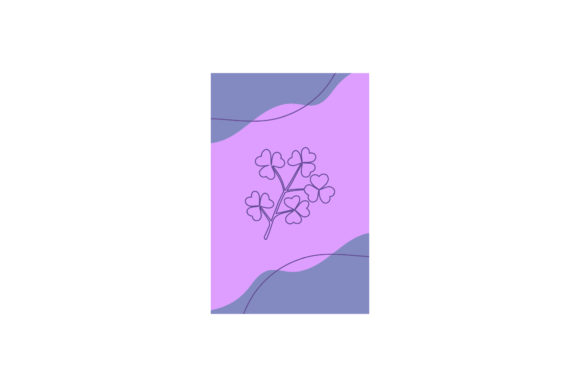
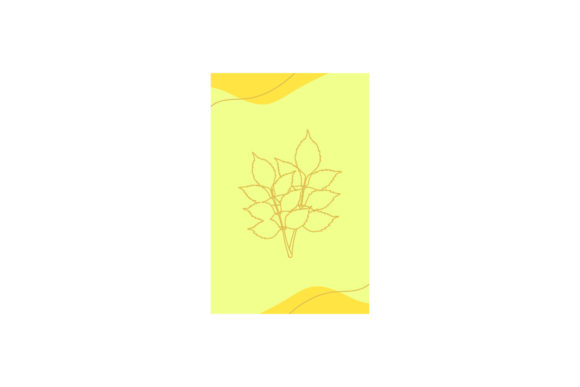
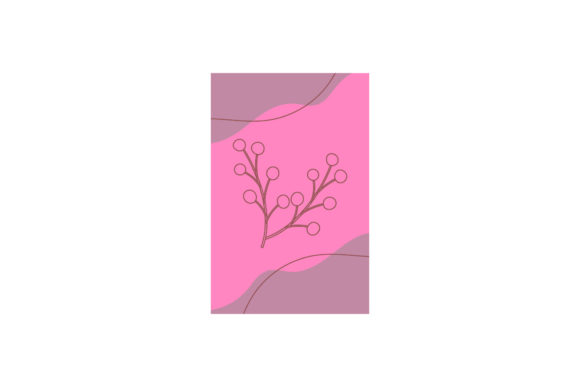
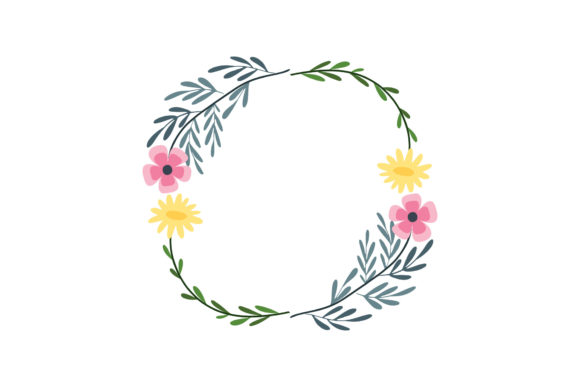
When you first load the files into your digitizing software, the immediate takeaway from Floral Style Element Beauty is its balance. In the world of Illustrations and Graphics, floral elements can often feel cluttered or overly delicate. However, this design strikes a chord that feels both elegant and sturdy. The visual personality suggests a modern botanical aesthetic—clean lines without sacrificing organic charm.
The layout is versatile. It does not scream for attention so loudly that it overwhelms a garment; instead, it invites the eye to linger. For an Etsy seller or small business owner, this is crucial. You want a product that feels premium and thoughtful. This design creates a mood of quiet sophistication. Whether you are planning a personalized gift for a wedding or creating a line of boutique branding materials, the visual appeal here is strong. It feels like a design that belongs in a curated collection rather than a generic discount bin.
Real-World Application: From Screen to Stitch
The true test of any digital embroidery file is how it performs when stitched out. I tested the concept behind Floral Style Element Beauty across several common product categories to see where it shines.
- Tote Bags and Canvas Goods: One of the most popular items for crafter businesses is the canvas tote. This design works exceptionally well here. The floral elements provide a nice contrast against the neutral texture of cotton canvas. It elevates a basic bag into a statement piece suitable for everyday carry or as a promotional item.
- Sweatshirt Embroidery: I imagined this design on a heavyweight sweatshirt, perhaps centered on the chest or placed subtly on the back yoke. The structure of the floral element holds up well against thicker fabrics. It doesn’t get lost in the weave, making it a solid choice for custom apparel that needs to withstand regular wear.
- Baby Embroidery and Nursery Decor: There is a softness to the lines that makes this ideal for baby embroidery. Think onesies, burp cloths, or nursery wall art. The design feels gentle and safe, which is exactly what parents look for when buying gifts for newborns. It also translates beautifully to pillow covers or tea towels for the home kitchen.
- Embroidered Patches: If you are looking to create embroidered patches for jackets or hats, this design provides a clear focal point. The distinct shapes allow for clean edge finishes, ensuring the patch looks professional rather than frayed or messy.
In these scenarios, the design enhances the perceived value of the finished product. Customers are willing to pay more for items that look professionally finished. A well-executed floral motif signals quality craftsmanship, building trust with your buyer engagement metrics.
Where Caution Is Required
No design is perfect for every situation. As an experienced reviewer, I must highlight where Floral Style Element Beauty might present challenges. Understanding these limitations will save you time, thread, and frustration.
- Small Hoop Sizes: If you are working with very small hoops (under 4x4 inches), you need to be careful. While the design is elegant, intricate floral details can become muddy if scaled down too far. Always check the smallest detail before committing to a tiny placement.
- Textured and Stretchy Fabrics: Embroidering on highly textured fabrics or thin, stretchy knits requires extra preparation. The design may shift or pucker if not stabilized correctly. For caps or curved surfaces, the tension needs to be adjusted meticulously.
- Dense Stitch Areas: If the design includes heavy fill stitches, ensure your fabric can support the weight. On dark fabric, lighter threads might not pop as intended unless you use a high-quality underlay. Conversely, on light fabric, dark threads might show through if the stitch density isn't sufficient.
- Decorative Accents vs. Functionality: If you are using this for a kitchen towel or apron that will be washed frequently, consider the durability of the finish. Delicate satin stitches can snag if not trimmed properly. Ensure the design is robust enough for the intended use case.
Practical Designer Notes for Success
To get the best results from this design asset, follow these practical steps before you start stitching large batches for your craft business.
First, always test the design on scrap fabric that matches the final product in weight and texture. This helps you identify potential issues with thread colors or fabric texture interactions. Second, inspect the small details closely. Are there tiny running stitches that might break? Is the satin stitch width appropriate for the fabric?
Third, use a proper stabilizer. The right stabilizer makes the difference between a wavy, amateur-looking result and a crisp, professional finish. Fourth, consider the color palette. Even though the vector files (AI/EPS) are available, the final look depends heavily on your thread choices. Test the design in black and white mockups to check contrast levels before buying expensive specialty threads.
Finally, confirm licensing. Before selling handmade products or offering this as part of a printable mockup service, verify the commercial use rights. Most designers appreciate transparency, and knowing exactly what you can do with the graphics prevents legal headaches later.
Final Verdict
Floral Style Element Beauty is a strong contender for anyone looking to add a touch of elegance to their embroidery project list. It bridges the gap between artistic expression and commercial viability. Whether you are an Etsy seller looking to refresh your listings, a small shop product creator aiming for consistency, or a hobbyist wanting to make a special holiday gift, this design delivers.
It respects the medium of embroidery while offering the flexibility needed for diverse applications—from apparel decorators working on bulk orders to individual makers crafting one-off pieces. By paying attention to hoop size, fabric choice, and stabilization, you can transform this digital asset into a tangible, beautiful product that customers will love. For those seeking reliable design assets that perform as well as they look, this floral element is a worthy addition to your library.