Floral Decorative Graphics & Illustrations for Crafters
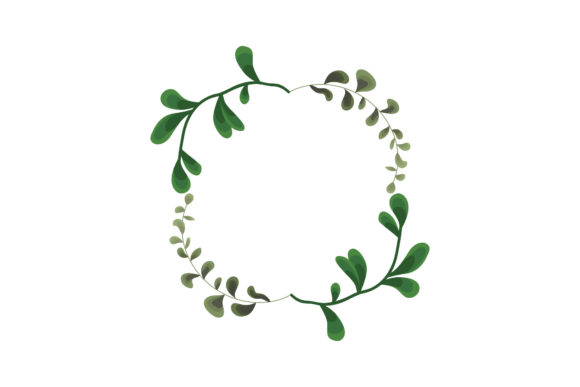
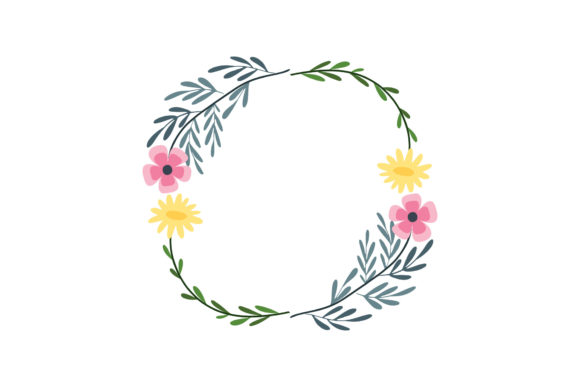
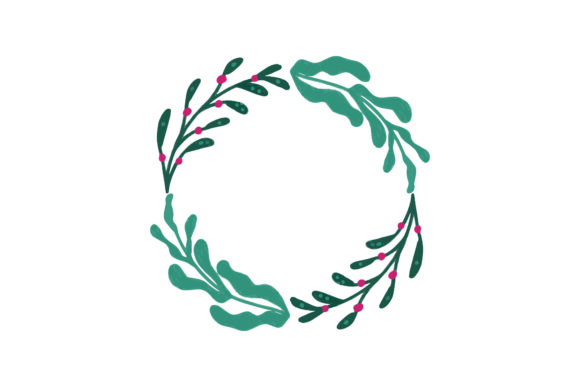
When I opened the Floral Decorative Interior Element file set for the first time, I immediately saw a design that understands what handmade sellers actually need. The composition feels intentional, not overcomplicated, and the botanical lines carry a quiet elegance that can shift between rustic farmhouse and soft modern decor depending on how you use it. It is one of those graphic design assets that does not scream for attention but instead gives you room to build something personal around it.
I have been designing and selling handmade products for over seven years, and I have learned that the best illustrations are the ones that adapt. This floral piece fits that category. The shapes are generous without being heavy, and the arrangement leaves enough negative space to layer with text, monograms, or smaller decorative elements. If you sell on Etsy, prepare inventory for a craft fair, or run a small creative business, you know how valuable that flexibility is.
The mood this asset creates leans toward a refined, botanical feel with a touch of vintage warmth. I can easily picture it attracting customers who love garden-inspired decor, bridal shower details, or nature-focused home accents. It is not overly cute or childlike, and it is not stiffly formal either. The balance sits somewhere between a pressed wildflower sketch and a polished interior print. That makes it versatile for different buyer personalities—someone shopping for a housewarming gift, a bride looking for customized wedding signage, or a repeat customer browsing your shop for seasonal decor.
What This Floral Design Brings Into a Crafting Workflow
On a purely practical level, the Floral Decorative Interior Element arrives as a set of five digital files with a generous 1920 by 1280 pixel canvas. That is a solid size for printable artwork and large enough to scale down without losing detail. The formats include an AI file, which is essential if you need full editing control, along with other standard formats that slot right into Cricut Design Space, Silhouette Studio, or your preferred print layout software.
When I test a new design asset for my own shop, I run it through a mental checklist of real products I actually make. Here is how this one performs across the categories that matter most to handmade sellers and small business owners.
Cricut Projects and Vinyl Cutting
I imported the design into Cricut Design Space and ran a test cut on permanent vinyl. The lines held up well, which is not always a guarantee with floral illustrations that contain delicate stems or thin petal details. This one stayed clean. The cut was smooth on a standard fine-point blade, and weeding was straightforward because the shapes are connected thoughtfully. If you are making tote bags, glass canisters, or decorative wooden signs for a local market, this asset will save you editing time.
One note for Silhouette users: the cut lines transfer cleanly, but I recommend doing a small test cut on scrap material first. Every machine behaves slightly differently, and with any botanical graphics, you want to confirm that the smallest leaf tips do not catch or tear during weeding on intricate settings.
Printable Wall Art and Home Decor
This is where the Floral Decorative Interior Element truly shines. The canvas ratio is practically made for printable wall art. I printed a sample on matte cardstock at full size, and the result looked like something you would find in a boutique home decor shop. The composition fills the space without crowding it, and the botanical lines print with enough clarity to frame beautifully.
If you sell digital downloads on Etsy or through your own website, this asset gives you a strong base for creating multiple printable listings. You can pair it with a meaningful quote, a family name, or a simple date for wedding and anniversary products. The design works in black ink on cream paper for a vintage look, or in soft sage and blush tones for a modern botanical palette.
Sublimation Designs and Apparel
For sublimation crafters, the high-resolution canvas is a genuine advantage. I tested the design on a sublimation mug and a polyester tote bag, and the transfer came through sharp with no pixelation at the printed size. The floral arrangement wraps naturally around curved surfaces, which is something I always check before committing a design to drinkware or fabric projects.
T-shirt placement with this asset requires a bit of thought. The horizontal orientation works best across the chest or as a back graphic, and it pairs nicely with a small script font underneath for personalized names or dates. If you run a print-on-demand shop, this is the kind of design that gives your mockups a handmade, boutique feel rather than looking like a generic clipart purchase.
Stickers, Gift Tags, and Small Product Details
Here is where I offer a gentle word of crafting caution. The Floral Decorative Interior Element works beautifully at larger sticker sizes, around three to four inches wide. When I scaled it down to a one-inch planner sticker, some of the finer botanical details started to blur slightly on a home inkjet printer. It is still usable, but I would not make it the main feature on very small label designs. For gift tags, however, it is lovely. I printed several at roughly three inches and paired them with kraft paper tags for a handmade shop packaging refresh, and they looked professional and intentional.
Building a Seasonal Handmade Collection Around One Asset
Every experienced maker knows that a strong design asset can anchor an entire product line. The Floral Decorative Interior Element has the right visual weight to serve as a foundation piece. I can see it working across a spring home decor collection, a bridal shower bundle, or even a cozy autumn line when printed in warmer earthy tones.
One practical approach I have used successfully is to take a single floral illustration and create product variations by changing the color palette, the background texture, or the accompanying text. With this file, the clean linework means you can recolor it easily in vector software and then export versions for mugs, tea towels, greeting cards, and framed prints. A customer who loves the botanical art on a tote bag might come back for the matching wall print, and that kind of product cohesion builds repeat sales.
Pairing Fonts and Creating a Finished Look
Typography makes a huge difference in how a design asset translates to finished handmade products. With this floral composition, I have found that a delicate serif font adds a classic, editorial feel, while a flowing script font softens it into something romantic and giftable. If your customer base leans modern and minimal, a clean sans serif in all lowercase keeps the design fresh without competing with the botanical detail.
My recommendation is to place the text beneath or to the side of the floral arrangement rather than layering it directly on top. The composition already has a natural focal point, and crowding it can diminish the elegant spacing that makes this asset work so well in the first place.
Technical Checks Every Maker Should Run
Before any design asset becomes part of your product lineup, there is a short list of technical checks that can prevent wasted materials and customer disappointment. I run these every time, no matter how beautiful the preview looks.
- Open the AI file first if you need to edit. The layered vector format gives you the most control over colors, line thickness, and individual elements before exporting for your cutting machine or printer.
- Check PNG transparency. If you are layering this over a colored background or a product mockup, confirm the background is genuinely transparent and that no white edges appear around the botanical shapes.
- Test colors before bulk production. Screen colors and print colors are never identical, especially on different materials. Print one sample on the actual paper, vinyl, or fabric you plan to use.
- Confirm how it reads on dark products. A design that looks crisp on a white mug might lose contrast on a dark tote bag. Adjust line thickness or color if necessary before final production.
- Place it on real product mockups. A design can look stunning in isolation and awkward on an actual product. Mock it up on a shirt, a mug, and a framed print to see how the proportions feel in real use.
- Resize thoughtfully for different products. What works at ten inches wide for a wall print may need simplification at three inches for a coaster or a small sticker.
When to Use This Asset and When to Choose Something Simpler
I want to be straightforward about where the Floral Decorative Interior Element performs best and where a different design might serve you better. This is the kind of practical honesty I wish I had encountered more often when I was building my first product collections.
Great for: Large cut files on signs and home decor, clean printable layouts for wall art, seasonal craft bundles, gift products like mugs and tote bags, decorative accents on packaging, personalized items with added names or dates, product mockups for your shop, and cohesive handmade shop collections where a botanical theme ties everything together.
Use carefully for: Very small cutting details under one inch, thin lines that may not transfer cleanly in layered vinyl projects, crowded compositions where you need to add multiple other elements, low-contrast color schemes on dark backgrounds, and sticker designs smaller than two inches where detail may be lost.
Real Handmade Business Perspective
I think about every design purchase through the lens of return on investment, not because crafting is only about money, but because my time and materials matter. A quality graphic design asset pays for itself quickly if it fits into multiple products and attracts buyers who appreciate thoughtful, well-crafted details.
This floral piece is not a one-project wonder. It is the kind of asset you can return to across seasons, tweak with fresh color palettes, and build into a recognizable style for your small business branding. If you have been looking for a botanical illustration that balances decorative charm with clean, practical lines for real crafting workflows, the Floral Decorative Interior Element deserves a place in your digital library. Test it, mock it up, and see how it transforms something simple into a product that feels carefully made.
And one final note for sellers: always confirm your commercial license allows the usage you need before listing finished products. Most designers include license details with the download, and if anything is unclear, reach out and ask. Protecting your small business starts with understanding what your purchased design assets permit.